How to Set Up a Retirement Home: A Complete Step-by-Step Guide
How to Set Up a Retirement Home: A Complete Step-by-Step Guide
Starting a retirement home is one of the most rewarding—and complex—ventures in real estate development. It's not just about building a facility; it's about creating a community where people will spend their most vulnerable years. With North America's senior population projected to reach 95 million by 2030, the opportunity is immense. But success requires meticulous planning, regulatory expertise, and operational excellence.
This guide walks you through every critical step, from initial concept to grand opening day.
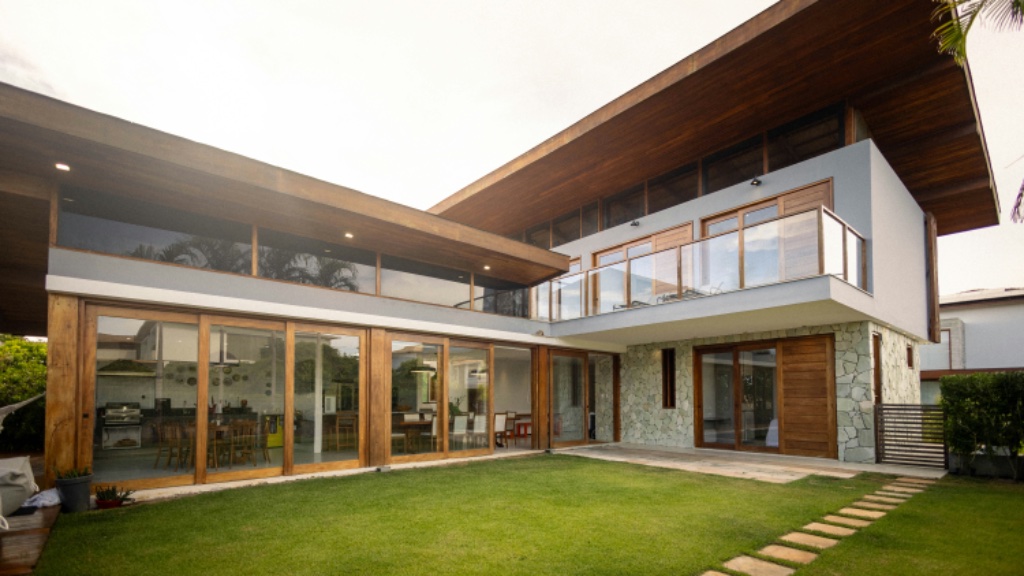
Modern senior living facility exterior
Phase 1: Concept and Market Research (Months 1-3)
Step 1: Define Your Vision and Model
Before anything else, you need clarity on what type of retirement home you're building:
Independent Living:
- Residents live autonomously with minimal assistance
- Light housekeeping, dining, activities
- Lowest care level, highest resident independence
- Entry investment: $250,000-$300,000 per bed
Assisted Living:
- Personal care assistance (bathing, dressing, medication)
- 24/7 staff availability
- Most common model in North America
- Entry investment: $300,000-$400,000 per bed
Memory Care:
- Specialized care for dementia/Alzheimer's
- Secure environment, specialized staff training
- Higher staffing ratios (1:6 vs. 1:12 for standard assisted)
- Entry investment: $350,000-$500,000 per bed
Skilled Nursing/Long-Term Care:
- Medical care, rehabilitation
- Nurse on duty 24/7
- Most regulated, highest complexity
- Entry investment: $400,000-$600,000 per bed
Pro Tip: Many successful operators start with assisted living and add memory care once established. This provides a clear growth path and captures residents aging in place.
Step 2: Conduct Rigorous Market Research
This isn't optional—it's the foundation of everything. Poor market research is the #1 reason retirement homes fail.
Demographic Analysis:
- Population aged 75+ within 5-10 mile radius
- Income levels (median household income of seniors)
- Homeownership rates (assets for payment)
- Projected population growth (2025-2035)
Competition Assessment:
- Identify all existing facilities within 10 miles
- Visit them as a prospective resident
- Document: pricing, occupancy rates, amenities, reputation
- Calculate effective occupancy (actual occupied / total capacity)
Demand Calculation:
Use the penetration rate formula:
Market Demand = (Population 75+) × (Penetration Rate %)
Penetration Rate typically: 8-12% for assisted living
Example:
- Population 75+: 15,000
- Penetration rate: 10%
- Market demand: 1,500 beds
- Existing supply: 1,200 beds
- Gap: 300 beds ✓ Opportunity exists
Financial Feasibility Study:
Hire a specialized consultant ($15,000-$35,000) to validate:
- Achievable occupancy rates
- Realistic pricing
- Revenue projections
- Operating expense ratios
- Development timeline
Red Flags to Walk Away:
- Market oversupply (>95% occupancy needed to justify new supply)
- Declining population trends
- Median income below $50,000
- Multiple new projects in planning

Person analyzing market data on laptop
Phase 2: Site Selection and Acquisition (Months 3-6)
Step 3: Choose the Perfect Location
Real estate fundamentals matter enormously in senior housing:
Essential Criteria:
✓ Visibility and Access:
- Major road frontage (at least 300 feet)
- Easy ingress/egress
- Close to medical facilities (within 3 miles)
- Near family population centers
✓ Site Characteristics:
- Minimum 3-5 acres for 60-100 bed facility
- Relatively flat terrain (reduces development costs)
- Good soil conditions (geotechnical study required)
- Minimal wetlands or environmental constraints
✓ Zoning and Use:
- Verify zoning allows "assisted living" or "residential care"
- Check density requirements (beds per acre)
- Understand parking requirements (typically 0.5-0.75 spaces per bed)
- Review setback and height restrictions
✓ Utilities:
- Municipal water and sewer (or capacity for septic)
- Adequate electrical service
- Natural gas availability
- High-speed internet infrastructure
✓ Neighborhood Character:
- Safe, quiet area (low crime statistics)
- Pleasant surroundings for walking
- Near shopping, parks, places of worship
- Good school district (attracts staff)
Due Diligence Checklist:
- [ ] Phase I Environmental Site Assessment
- [ ] Geotechnical/soils report
- [ ] Topographic survey
- [ ] Wetlands delineation (if applicable)
- [ ] Traffic impact study
- [ ] Title search and survey
- [ ] Zoning confirmation letter
- [ ] Utility capacity letters
Acquisition Strategy:
- Option period: 90-180 days to complete due diligence
- Contingencies: zoning approval, financing, satisfactory studies
- Typical land cost: 10-15% of total project cost
Phase 3: Regulatory Approval and Licensing (Months 6-18)
Step 4: Navigate the Regulatory Maze
This is where many projects die. Regulatory approval is complex, time-consuming, and absolutely critical.
Licensing Requirements (Varies by State/Province):
United States:
- Administered by state health departments
- Certificate of Need (CON) required in 15 states
- License application process: 6-18 months
- Background checks on all owners/operators
- Financial solvency requirements
Canada:
- Provincial jurisdiction (each province different)
- Ontario: License from Ministry of Long-Term Care
- Alberta: Supportive Living Accommodation License
- British Columbia: Community Care Facilities License
- Process: 12-24 months
Certificate of Need (CON) States:
If your state requires CON, this is a major hurdle:
- Alaska, Alabama, Arkansas, Connecticut, Delaware, Florida, Georgia, Kentucky, Maryland, Mississippi, New Jersey, New York, North Carolina, Rhode Island, South Carolina, Tennessee, Vermont, Virginia, Washington DC, West Virginia
CON Process:
- Demonstrate community need
- Prove financial feasibility
- Public hearing (expect opposition from competitors)
- 6-18 month approval timeline
- Appeal period (adds 6-12 months if challenged)
Zoning and Land Use Approvals:
Conditional Use Permit (CUP):
- Public hearings before planning commission
- Neighborhood notification (expect concerns)
- Traffic, parking, noise studies
- Timeline: 4-12 months
Site Plan Approval:
- Detailed architectural and engineering plans
- Landscape plan, lighting plan, signage
- Stormwater management plan
- Timeline: 3-6 months
Building Permits:
- Full construction documents
- Code review (residential vs. institutional requirements)
- Fire marshal approval
- Timeline: 2-4 months
Pro Tips for Regulatory Success:
- Hire Local Experts: Use attorneys and consultants who've done this in your jurisdiction
- Pre-Application Meetings: Meet with regulators informally before formal submissions
- Community Engagement: Host neighborhood meetings proactively
- Manage NIMBYism: Expect opposition; address concerns about traffic, property values, facility character
- Build Agency Relationships: Regulators are people; treat them as partners, not obstacles

Documents and permits on desk
Phase 4: Design and Architecture (Months 12-18)
Step 5: Create a Purpose-Built Environment
Retirement homes are not hotels, apartments, or hospitals—they're a unique hybrid requiring specialized design.
Hire the Right Team:
Architect Specializing in Senior Housing:
- Portfolio of 5+ completed senior living projects
- Understanding of ADA/accessibility beyond code minimum
- Experience with state-specific licensing requirements
- Fee: 5-8% of construction cost
Interior Designer with Healthcare Experience:
- Residential warmth with institutional durability
- Understanding of dementia-friendly design
- Wayfinding and sensory considerations
- Fee: 2-4% of construction cost
Key Design Principles:
Residential Feel with Institutional Performance
Common Mistakes to Avoid:
- ✗ Hospital-like corridors (use varied ceiling heights, alcoves, artwork)
- ✗ Institutional color schemes (avoid "beige box syndrome")
- ✗ Obvious nurse stations (integrate into design)
- ✗ Commercial flooring in living areas (use residential-grade luxury vinyl)
Memory Care Design (if applicable)
Essential Elements:
- Secure perimeter (wandering prevention)
- Circular walking paths (reduce dead-ends = reduced agitation)
- Memory boxes at each door (personalization, wayfinding)
- High-contrast toilet seats (visibility for dementia residents)
- Concealed exits (reduce exit-seeking behavior)
Building Layout Best Practices
Household Model (Modern Approach):
- 12-16 residents per "household"
- Dedicated dining, living, kitchen areas per household
- Smaller scale = less institutional feel
- Higher staffing ratios but better outcomes
Corridor Model (Traditional but Efficient):
- Central corridor with rooms on both sides
- Centralized dining and activities
- More efficient staffing
- Larger scale (60-120 beds typical)
Optimal Sizes:
- Assisted living studios: 300-400 sq ft
- One-bedroom: 450-600 sq ft
- Memory care rooms: 250-350 sq ft (smaller = less overwhelming)
- Common areas: 40-50 sq ft per resident
Critical Spaces:
✓ Commercial Kitchen:
- Must meet health department standards
- Cook-chill system for efficiency
- Adequate storage (1 week food + 3 months dry goods)
✓ Activity/Multi-Purpose Room:
- 1,000-2,000 sq ft minimum
- Flexible furniture
- AV system for entertainment
✓ Therapy/Salon/Wellness:
- Physical therapy space if offering rehabilitation
- Beauty salon (huge for quality of life)
- Wellness room for checkups
✓ Staff Areas:
- Break room (required by labor laws)
- Offices for administrators
- Adequate storage (often overlooked)
✓ Outdoor Spaces:
- Secure courtyards with walking paths
- Raised garden beds
- Covered seating areas
- Minimum 20 sq ft per resident

Architectural blueprints and models
Phase 5: Financing and Capital Stack (Months 15-18)
Step 6: Secure Funding for Development
Retirement home development requires significant capital and specialized lenders.
Typical Capital Stack for 80-Bed Facility:
Total Project Cost: $28-32 Million
Construction Costs:
- Land: $2.5M (8%)
- Hard costs: $20M (62%)
- Soft costs: $4M (12%)
- Contingency: $1.5M (5%)
- Pre-opening: $1.5M (5%)
- Working capital: $2.5M (8%)
Financing Structure:
Equity (25-35%):
- Developer equity: $3-4M
- Investor equity: $5-7M
- Total equity: $8-11M
Debt (65-75%):
- Senior construction loan: $17-21M
- Rate: Prime + 2-4%
- Term: 24-36 months
- Guarantee: Usually requires completion guarantee
Specialized Lenders:
Banks:
- Local/regional banks with healthcare lending
- Relationship-driven
- Best rates (Prime + 2-2.5%)
- Require strong developer track record
HUD Programs:
- Section 232 (assisted living)
- 90% LTV possible
- Non-recourse
- Complex, slow process (12-18 months)
- Best for experienced developers
Private Debt Funds:
- More flexible underwriting
- Faster closings (60-90 days)
- Higher rates (8-12%)
- Good for developers with limited track record
EB-5 Investor Program:
- Foreign investment for green cards
- $800,000 per investor (targeted employment area)
- Complex regulations
- Good for large projects ($30M+)
Key Financing Milestones:
- Letter of Intent (LOI): Secured before starting design
- Commitment Letter: Obtained upon permit approvals
- Loan Closing: Concurrent with construction start
- Draws: Monthly based on completion percentage
- Conversion: Construction loan converts to permanent at stabilization
Investor Pitch Essentials:
- Market study showing demand
- Pro forma demonstrating 15-20% ROI
- Developer track record (resumes, past projects)
- Letter of Intent from management company
- Evidence of regulatory approvals in process

Financial documents and calculator
Phase 6: Construction (Months 18-30)
Step 7: Build to Specifications
Construction of senior housing has unique requirements beyond typical residential or commercial projects.
Select Experienced General Contractor:
Must-Have Qualifications:
- 3+ senior living projects in portfolio
- Understanding of healthcare construction requirements
- Experience with occupied phasing (if expansion)
- Strong subcontractor relationships
- Fee: 8-12% of hard costs
Construction Timeline:
Typical 80-Bed Facility:
- Site work: 2-3 months
- Foundation: 1-2 months
- Framing: 3-4 months
- MEP rough-in: 2-3 months
- Finishes: 3-4 months
- Inspections/punch list: 1-2 months
- Total: 12-18 months
Critical Path Management:
Long-Lead Items (Order Early):
- Elevator: 6-9 months
- Kitchen equipment: 4-6 months
- Nurse call system: 3-4 months
- Custom millwork: 3-4 months
- Generator: 4-6 months
Construction Oversight:
Weekly Site Meetings:
- Owner/developer representative present
- Review schedule adherence
- Address RFIs (Requests for Information)
- Approve change orders
- Quality control inspections
Change Order Management:
- Budget 3-5% for changes
- Require detailed justification
- Three-quote competitive process
- Track cumulative impact on budget
Quality Checkpoints:
Foundation Stage:
- Verify all rough-ins correct locations
- Confirm door swings (critical for accessibility)
- Check ceiling heights meeting code
Framing Stage:
- Walk every room (sizes feel different in 3D)
- Confirm grab bar blocking in place
- Verify corridor widths
Finishes Stage:
- Color/material selections match design intent
- Lighting levels adequate (critical for seniors)
- Hardware functions smoothly
Pre-Opening Inspections:
- [ ] Fire marshal final inspection
- [ ] Health department pre-licensing survey
- [ ] Building department certificate of occupancy
- [ ] Elevator inspection certification
- [ ] Kitchen health inspection
- [ ] Life safety systems testing
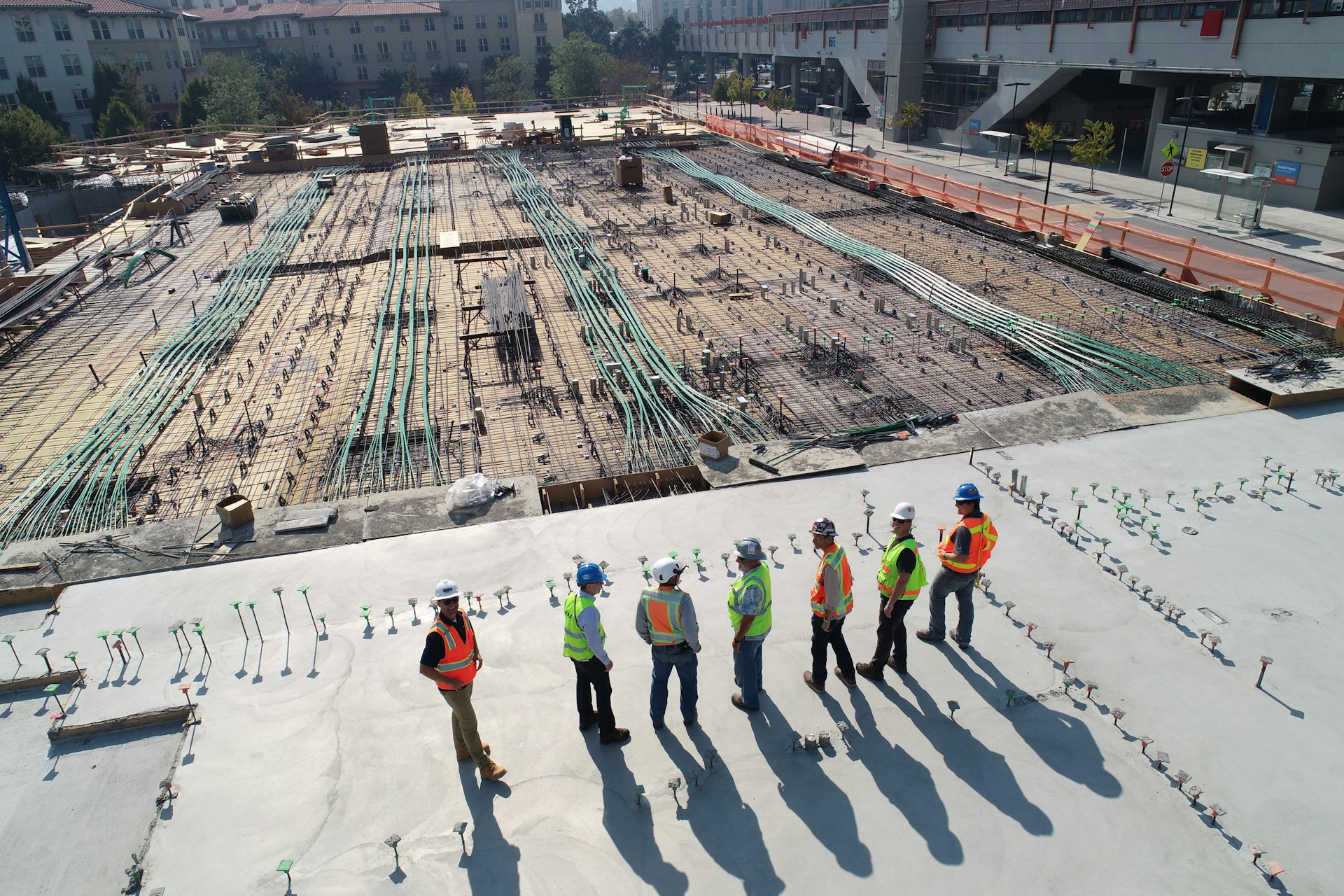
Construction site with modern building
Phase 7: Pre-Opening Operations (Months 24-30)
Step 8: Hire and Train Staff
Your team makes or breaks resident satisfaction. Start recruiting 6 months before opening.
Staffing Model for 80-Bed Assisted Living:
Administrative (Full-Time):
- Executive Director: 1
- Director of Nursing: 1
- Business Office Manager: 1
- Activities Director: 1
- Maintenance Director: 1
- Dietary Manager: 1
- Marketing Director: 1
- Total: 7 FTE
Caregiving (24/7 Coverage):
- CNAs/Care Staff: 24-28 FTE
- Medication Aides: 4-6 FTE
- Ratio: 1:8 to 1:12 residents depending on acuity
Support Staff:
- Cooks: 4-6 FTE
- Dietary Aides: 4-6 FTE
- Housekeeping: 4-6 FTE
- Maintenance: 2-3 FTE
- Activities Assistants: 2-3 FTE
- Total: 16-24 FTE
Total Staffing: 50-65 FTE for 80 beds
Labor Cost: 55-65% of operating revenue (largest expense)
Recruitment Strategy:
Finding Quality Caregivers:
- Partner with nursing schools (CNA programs)
- Offer tuition reimbursement for certifications
- Sign-on bonuses ($500-$1,500)
- Referral bonuses ($300-$1,000 per hire)
- Competitive wages (research local market)
Retention Programs:
- Clear advancement paths
- Continuing education support
- Recognition programs
- Work-life balance (flexible scheduling)
- Quarterly bonuses tied to satisfaction scores
Training Program (4-6 Weeks):
Week 1: Orientation
- Company mission, values, culture
- Policies and procedures
- Safety and emergency protocols
- Tour of facility
Week 2-3: Clinical Training
- Resident care techniques
- Medication administration (if applicable)
- Dementia care approaches
- Infection control
- Resident rights
Week 4-5: Shadowing
- Work alongside experienced staff
- Supervised resident care
- Documentation practice
- Equipment operation
Week 6: Independent Practice
- Gradual caseload increase
- Preceptor observation
- Performance evaluation
- Certification upon completion
Step 9: Implement Operating Systems
Electronic Health Records (EHR):
Choose a specialized senior living EHR system:
Leading Platforms:
- MatrixCare: Industry leader, comprehensive
- PointClickCare: Strong in long-term care
- AL Advantage: Purpose-built for assisted living
- Cost: $150-$300 per bed/month
Essential Features:
- Electronic medication administration records (eMAR)
- Care plan management
- Incident reporting
- Family portal
- Billing integration
Property Management System:
Manage move-ins, contracts, billing:
- Resident ledgers and payment tracking
- Contract management
- Waitlist management
- Automated billing
- Integration with EHR
Additional Systems:
- Nurse Call System: Integrated with staff smartphones
- Access Control: Key fobs for secure entry
- Security Cameras: Common areas (not private spaces)
- Kitchen Management: Menu planning, inventory, dietary restrictions

Staff training session
Phase 8: Marketing and Lease-Up (Months 24-36)
Step 10: Fill the Building
Lease-up typically takes 12-18 months to reach stabilized occupancy (90-95%).
Start Marketing 6-9 Months Before Opening:
Pre-Opening Marketing Budget:
- 3-5% of projected first-year revenue
- For 80-bed facility at $5,000/month average: $180,000-$300,000
Marketing Channels:
Digital Marketing (40% of budget):
- Professional website with virtual tours
- Google Ads (local search terms)
- Facebook/Instagram ads (targeting adult children)
- SEO optimization
- Reputation management
Traditional Marketing (30% of budget):
- Direct mail to age-qualified households
- Print ads in local newspapers
- Senior publications
- Community event sponsorships
Referral Network (20% of budget):
- Hospital discharge planners
- Geriatric care managers
- Estate attorneys and financial advisors
- Senior centers and community organizations
- Home health agencies
Public Relations (10% of budget):
- Grand opening event
- Local media coverage
- Community open houses
- Partnership announcements
Sales Process:
Inquiry to Move-In Journey:
- Initial Contact: Phone inquiry or website form
- Tour Scheduling: Within 24-48 hours
- Personal Tour: 60-90 minutes with sales counselor
- Follow-Up: Within 24 hours
- Application: Complete financial and health screening
- Move-In Coordination: 2-4 weeks from deposit
Conversion Rates:
- Inquiries to tours: 50-60%
- Tours to applications: 30-40%
- Applications to move-ins: 80-90%
- Overall conversion: 12-20%
Lease-Up Targets:
Conservative Pro Forma:
- Month 1-3: 20% occupancy
- Month 4-6: 40% occupancy
- Month 7-9: 60% occupancy
- Month 10-12: 75% occupancy
- Month 13-18: 90% occupancy (stabilized)
Aggressive Scenario:
- Month 1-2: 25% occupancy
- Month 3-4: 50% occupancy
- Month 5-8: 75% occupancy
- Month 9-12: 90% occupancy (stabilized)
Incentives to Accelerate Lease-Up:
- Founders' Circle pricing (first 20 residents get discount)
- Free month rent for early move-ins
- Waived community fee ($2,000-$5,000 typical fee)
- Upgraded room features for early commits

Marketing materials and open house event
Phase 9: Grand Opening and Stabilization (Months 30-36)
Step 11: Launch and Refine Operations
Grand Opening Event:
Timing: When facility is 40-50% occupied (not day one)
Invitations:
- Residents and families
- Referral sources (hospital, physicians)
- Media
- Community leaders
- Chamber of Commerce
- Prospective residents
Event Elements:
- Facility tours
- Resident testimonials
- Entertainment (live music)
- Catered food showcasing dining program
- Press coverage
- Ribbon cutting ceremony
First 90 Days Focus:
Resident Experience:
- Daily rounding by leadership
- Weekly resident council meetings
- Rapid response to concerns
- Activities calendar fine-tuning
- Menu adjustments based on feedback
Family Communication:
- 30-day check-in calls with every family
- Transparent incident reporting
- Open-door policy
- Family night events
- Online portal for updates
Staff Support:
- Daily huddles
- Weekly all-staff meetings
- Open feedback channels
- Recognition of excellent performance
- Address burnout proactively
Quality Metrics to Track:
Clinical Quality:
- Falls per 1,000 resident days (target: <4.0)
- Medication errors per 1,000 doses (target: <1.0)
- Pressure ulcers (target: zero acquired)
- ER visits per month (track trends)
- Hospitalization rate (target: <10%/year)
Operational Efficiency:
- Labor hours per resident day (target: 3.5-4.5)
- Food cost per resident day (target: $12-$18)
- Utilities cost per square foot (track monthly)
- Turnover rate (target: <40% annually for CNAs)
Financial Performance:
- Occupancy rate (target: 90-95% stabilized)
- Average daily rate (ADR)
- Revenue per available bed (RevPAB)
- EBITDA margin (target: 25-35% at stabilization)
Satisfaction Surveys:
- Resident satisfaction (quarterly)
- Family satisfaction (quarterly)
- Staff satisfaction (annually)
- Referral source satisfaction (annually)
Ribbon cutting ceremony
Phase 10: Ongoing Excellence (Year 2+)
Step 12: Continuous Improvement
Opening day is just the beginning. Long-term success requires relentless focus on quality.
Annual Regulatory Inspections:
State/provincial health departments conduct unannounced surveys:
- Compliance with all regulations
- Medication administration observed
- Kitchen sanitation inspected
- Resident interviews conducted
- Staff files reviewed
- Care plans evaluated
Deficiency Management:
- Any citations must be corrected with plan of correction
- Serious deficiencies can result in fines or license suspension
- Maintain deficiency-free status as gold standard
Resident Retention:
Average Length of Stay:
- Assisted living: 2-3 years
- Memory care: 1.5-2 years
- Skilled nursing: 1-2 years
Move-Out Reasons:
- Death or hospice: 40-50%
- Higher level of care needed: 25-35%
- Family relocation: 10-15%
- Financial: 5-10%
- Dissatisfaction: 5-10%
Retention Strategies:
- Proactive care level adjustments
- Aging-in-place support
- Family communication excellence
- Activity engagement
- Personalized care
Growth and Expansion:
Once stabilized and operationally excellent, consider:
Adding Services:
- Rehabilitation therapy (PT/OT)
- Home health integration
- Respite care program
- Adult day services
Physical Expansion:
- Add memory care wing
- Build second facility
- Develop campus of care (multiple levels)
Geographic Expansion:
- Replicate successful model in new markets
- Build portfolio of 3-5 facilities
- Achieve economies of scale
Exit Strategies (for Investors):
Typical Hold Period: 5-10 years
Exit Options:
- Sale to operator: REIT or large senior living company
- Refinance: Cash-out refi at stabilization, hold long-term
- Portfolio sale: Bundle multiple properties
- Sale-leaseback: Sell to REIT, lease back, continue operating
Valuation Multiples:
- Cap rates: 5.5-7.5% depending on market and quality
- EBITDA multiples: 12-16x for stabilized, high-quality assets

Team meeting discussing growth strategy
Key Success Factors: The Non-Negotiables
1. Location, Location, Location
A mediocre operator in a great location will outperform a great operator in a poor location.
2. Adequate Capitalization
Underfunded projects lead to:
- Cut corners on quality
- Insufficient marketing during lease-up
- Staff shortages
- Deferred maintenance
- Result: Failure
Plan for 15-20% more capital than projections suggest.
3. Experienced Operations Partner
If you're a developer without senior living operations experience, partner with an experienced operator. Management contracts typically:
- 5-7% of revenue base fee
- 10-20% of EBITDA incentive fee
- 5-10 year term
- Worth every penny for first project
4. Regulatory Expertise
Hire consultants who know your state/province regulations intimately. One missed requirement can delay opening by months and cost hundreds of thousands.
5. Quality Without Compromise
Residents can choose where to live. Skimping on finishes, food quality, or staffing will show up in:
- Low occupancy
- Negative reviews
- High turnover
- Regulatory deficiencies
Invest in quality—it pays back exponentially.
6. Culture of Care
The best facilities have a palpable culture of genuine care:
- Staff know residents' life stories
- Birthdays are celebrated
- Preferences are remembered and honored
- Dignity is non-negotiable
- Joy is intentionally created
This culture starts with leadership and is reinforced daily.
Common Pitfalls and How to Avoid Them
❌ Pitfall 1: Underestimating Timeline
Reality Check: From concept to opening is 3-4 years minimum.
Avoid: Build timeline buffers into financial projections.
❌ Pitfall 2: Market Oversupply
Reality Check: "Build it and they will come" doesn't work if competition saturated.
Avoid: Walk away from oversupplied markets, even if site is perfect.
❌ Pitfall 3: Insufficient Pre-Opening Marketing
Reality Check: Need 12-18 months to reach stabilization.
Avoid: Start marketing 6-9 months before opening; budget adequately.
❌ Pitfall 4: Hiring Inexperienced Leadership
Reality Check: Executive Director makes or breaks resident satisfaction.
Avoid: Hire experienced leader with 5+ years in senior living operations.
❌ Pitfall 5: Ignoring Staff Retention
Reality Check: Turnover costs $3,000-$5,000 per CNA, destroys continuity of care.
Avoid: Invest in wages, benefits, culture, growth opportunities.
❌ Pitfall 6: Skimping on Technology
Reality Check: Antiquated systems create inefficiency, errors, staff frustration.
Avoid: Budget for quality EHR, nurse call, security systems from day one.
❌ Pitfall 7: Poor Food Quality
Reality Check: Dining is #1 or #2 factor in resident satisfaction surveys.
Avoid: Hire experienced chef, use fresh ingredients, offer variety and choice.
Financial Pro Forma: What to Expect
Sample 80-Bed Assisted Living Facility
Development Budget:
- Land: $2,500,000
- Construction: $20,000,000
- FF&E: $1,200,000
- Soft costs: $3,500,000
- Pre-opening: $1,500,000
- Total: $28,700,000
- Cost per bed: $358,750
Revenue at Stabilization (Year 3):
- Average rate: $5,000/month per resident
- Occupancy: 92% (74 residents)
- Annual revenue: $4,440,000
- Other income (guest meals, services): $200,000
- Total revenue: $4,640,000
Operating Expenses:
- Labor (60%): $2,784,000
- Food (10%): $464,000
- Utilities (5%): $232,000
- Insurance (3%): $139,200
- Marketing (3%): $139,200
- Administrative (4%): $185,600
- Maintenance (5%): $232,000
- Other (5%): $232,000
- Total opex: $4,408,000
NOI: $232,000 (5% margin - Year 3 stabilizing)
Stabilized Performance (Year 4-5):
- Revenue: $4,800,000 (95% occupancy)
- Opex: $4,320,000 (90% of revenue)
- NOI: $480,000 (10% margin)
- EBITDA: $1,200,000 (25% margin after management optimization)
Returns:
- Capitalization rate: 6.5%
- Stabilized value: $18,500,000
- Less debt: $20,000,000
- Equity value: $0-2,000,000 (Year 5)
With Refinance or Sale:
- Appraised value: $32,000,000 (at 7x EBITDA multiple)
- Less debt: $18,000,000
- Equity value: $14,000,000
- ROI on equity: 140% over 5 years
- IRR: 22-26%
Note: These are illustrative numbers. Actual performance varies significantly by market, quality, operations.
Conclusion: Building Communities That Matter
Setting up a retirement home is not a get-rich-quick scheme. It's a long-term commitment requiring:
✓ Significant capital ($10-50M+ depending on size)
✓ Extensive expertise (real estate, healthcare, operations, regulations)
✓ Time and patience (3-5 years to stabilization)
✓ Genuine commitment to quality of care
But the rewards—financial and personal—are immense:
- Stable, recession-resistant cashflow (seniors need housing regardless of economy)
- Growing demand (demographic tsunami of aging Boomers)
- Premium valuations (institutional investors paying top dollar for quality assets)
- Purpose-driven work (creating communities where people thrive in their final chapters)
The senior housing industry needs more well-capitalized, quality-focused developers who understand that these aren't just buildings—they're homes for people in their most vulnerable years.
If you're considering entering this space:
- Do exhaustive market research (invest $50,000-$100,000 upfront)
- Assemble experienced team (don't go it alone)
- Secure adequate capital (don't underfund)
- Commit to quality (mediocrity fails in this business)
- Be patient (timeline will be longer than you think)
- Focus on culture (people, not just buildings)
Done right, you'll create a community that residents are grateful to call home, families trust with their loved ones, and staff are proud to work for. And you'll build significant wealth in the process.
Your Next Steps
Ready to explore senior housing development opportunities?
At KianaCoby, we specialize in developing institutional-grade senior housing communities across North America. Whether you're:
- An investor seeking passive exposure to senior housing
- A developer looking for capital partnerships
- A healthcare operator seeking development expertise
We'd welcome a conversation.
Contact us:
- Email: invest@kianacoby.com
- Phone: +1(416) 559-2551
- Investor Portal: [Your account dashboard]
This guide is for informational purposes only and does not constitute legal, financial, or professional advice. Consult qualified professionals before undertaking any development project.
Interested in Senior Housing Investments?
Get exclusive access to our latest investment opportunities and market insights.
Please login to leave a comment
No comments yet. Be the first to comment!