The Senior Housing Waitlist Crisis: Understanding the Challenge in Canada and the GTA

The Senior Housing Waitlist Crisis: Understanding the Challenge in Canada and the GTA
Across Canada, and particularly in the Greater Toronto Area (GTA), senior housing facilities are facing an unprecedented crisis: thousands of elderly Canadians are languishing on waitlists, some for over two years, desperately awaiting access to essential care services. This isn't just a statistic—it's a human crisis affecting families across the nation.
The Scale of the Problem
National Overview
As of 2025, over 38,000 seniors across Canada are waiting for a long-term care bed. In Ontario alone, the waitlist has surged to approximately 39,000 individuals, with the average wait time reaching 152 days—but in high-demand urban areas, this extends far beyond six months.

Elderly couple reviewing documents with concern
GTA-Specific Data
The Greater Toronto Area faces particularly acute challenges:
Toronto:
- Waitlist: 6,500+ seniors
- Average Wait Time: 8-12 months for preferred facility
- Crisis Level: 800+ individuals designated as "crisis" cases requiring immediate placement
Peel Region (Mississauga, Brampton, Caledon):
- Waitlist: 3,200+ seniors
- Average Wait Time: 10-18 months
- Bed Shortage: 1,200 beds needed to meet current demand
York Region (Markham, Vaughan, Richmond Hill):
- Waitlist: 2,800+ seniors
- Average Wait Time: 12-24 months
- Growth Rate: Waitlist growing 15% annually
Durham Region (Oshawa, Ajax, Whitby):
- Waitlist: 1,900+ seniors
- Average Wait Time: 6-14 months
- Occupancy Rate: 98.5% (near capacity)
Waitlist Growth Trends
Ontario Long-Term Care Waitlist Growth (2019-2025)Year vs Number of Seniors
- Waitlist Size
- Available Beds
Real Stories from the Frontlines
Case Study 1: The Johnson Family - Toronto
Margaret Johnson, 84, was diagnosed with advanced dementia in March 2023. Her daughter Susan applied for long-term care placement immediately.
Timeline:
- March 2023: Application submitted for 5 facilities
- September 2023: Still waiting, hired private caregivers ($6,000/month)
- March 2024: Offered placement at facility 90km away (declined)
- October 2024: Finally admitted to 3rd-choice facility
Total Wait Time: 19 months Family Cost: $114,000 in private care while waiting
Case Study 2: The Patel Family - Brampton
Rajesh Patel, 78, suffered a severe stroke requiring 24/7 nursing care. His family faced a 16-month wait despite his critical status.
Impact:
- Wife quit job to provide care (lost income: $45,000)
- Home modifications cost: $18,000
- Burnout and family stress led to hospitalization of caregiver

Adult daughter comforting elderly mother at home
Root Causes of the Crisis
1. Demographic Tsunami
The Numbers:
- Canada's 80+ population growing 3.5% annually
- By 2030: 2.3 million Canadians aged 80+
- Baby Boomers entering highest-need age bracket
- GTA has fastest-growing senior population in Ontario
GTA Senior Population Projections by Age GroupAge Group vs Population (thousands)
- 2025
- 2030
- 2035
2. Insufficient Bed Supply
Current State:
- Ontario has 79,000 long-term care beds for 2.8 million seniors 65+
- Ratio: 28 beds per 1,000 seniors 65+ (well below OECD average of 47)
- GTA Deficit: Estimated 8,500 bed shortfall in Metro Toronto alone
Construction Timeline Issues:
- New facility takes 3-5 years from approval to opening
- Zoning, funding, and regulatory approvals add delays
- Construction costs averaging $350,000-$500,000 per bed
3. Funding Constraints
Ontario Government Commitment:
- Plan to build 30,000 new beds by 2028
- As of 2025: Only 12,000 beds completed or under construction
- Behind schedule by approximately 6,000 beds
Per Diem Funding:
- Government funding: $185 per resident per day
- Actual cost of care: $220-$260 per day
- Gap forcing operators to defer maintenance and limit services
4. Staffing Crisis
Critical Shortage:
- Ontario needs 27,000 additional PSWs (Personal Support Workers) by 2026
- Current vacancy rate: 18-22% in GTA facilities
- Turnover rate: 35-40% annually
- Average PSW wage: $22/hour (below living wage in GTA)
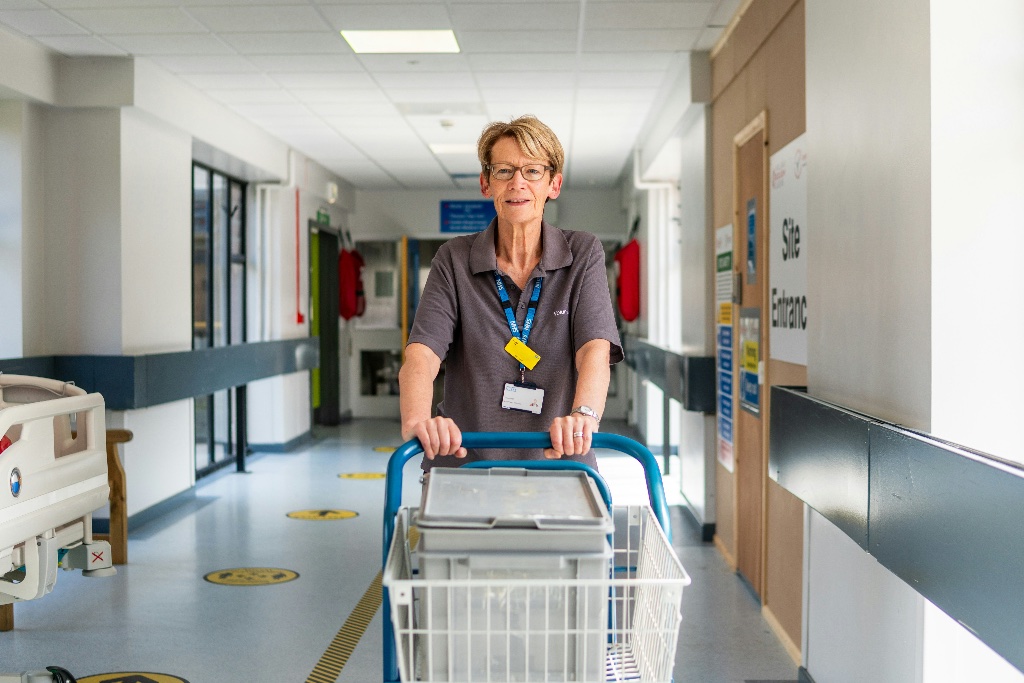
Healthcare workers in uniform collaborating
Factors Contributing to Waitlist Crisis (% of Impact)undefined vs undefined
- Demographic Growth
- Insufficient Bed Supply
- Staffing Shortages
- Funding Constraints
5. Preference-Based Delays
Choice vs. Access:
- Applicants can list up to 5 preferred facilities
- Many wait longer for preferred location vs. accepting available bed
- Average wait for 1st choice: 18 months
- Average wait accepting any available: 6 months
Geographic Clustering:
- 73% of applicants prefer facilities within 10km of family
- Downtown Toronto facilities: 24-month average wait
- Outer GTA facilities: 8-month average wait
- System inefficiency: Beds sit empty in less-desired locations
6. Pandemic Impact
COVID-19 Aftermath:
- 2020-2022: 1,200+ facility construction projects delayed 8-18 months
- Occupancy dropped to 82% during peak pandemic (infection control measures)
- 2023-2024: Occupancy rebounded to 97%, but waitlist surged
- Fear and hesitancy kept some beds unfilled initially, creating backlog
Hidden Costs of Long Wait Times
Financial Burden on Families
Private Care Costs While Waiting:
- Home care: $25-$45/hour (requiring 12-24 hours daily)
- Private retirement homes: $4,500-$8,000/month
- Family lost income: Average $32,000/year when caregiver leaves workforce
Total Economic Impact:
- Estimated $2.1 billion annually in Ontario for informal caregiving costs
- GTA families spend average $78,000 in extra costs during wait period
Healthcare System Strain
Alternate Level of Care (ALC) Crisis:
- 4,200+ hospital beds in Ontario occupied by seniors awaiting long-term care
- Cost: $1,500/day hospital bed vs. $185/day LTC bed
- Annual Waste: $2.3 billion in unnecessary hospital costs
- GTA hospitals report 22-28% of beds occupied by ALC patients
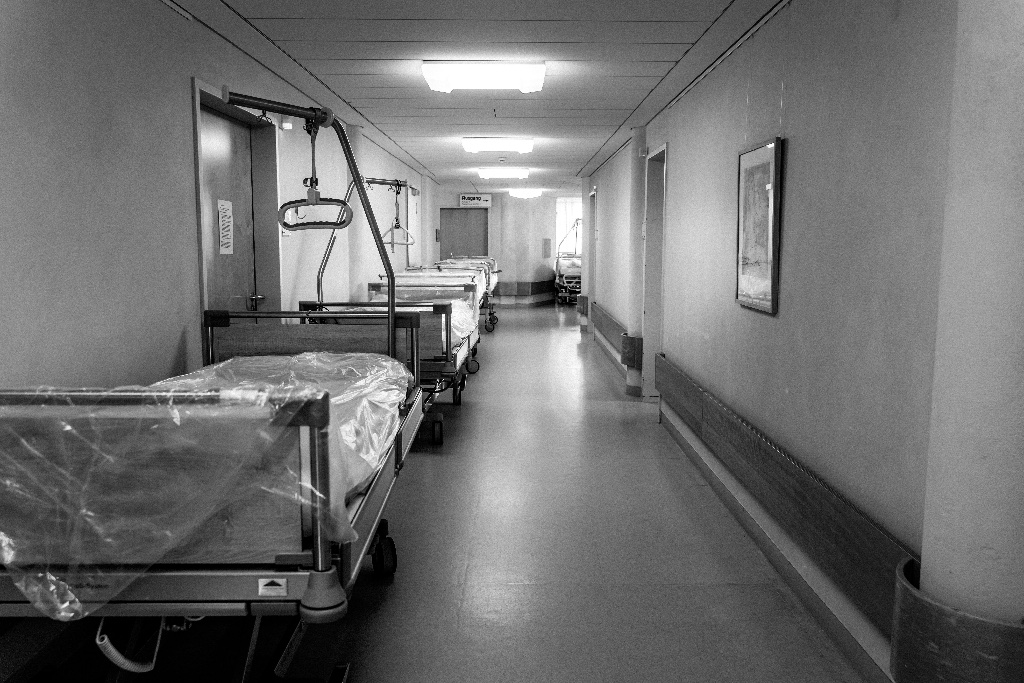
Hospital corridor with beds
Caregiver Health Crisis
Mental & Physical Health Impacts:
- 68% of family caregivers report high stress or burnout
- 42% experience depression or anxiety
- 35% develop chronic health conditions from caregiving strain
- Average caregiver age: 62 (often seniors caring for seniors)
Caregiver Health Impact During Wait PeriodHealth Impact vs Percentage of Caregivers
- Reported Impact
Innovative Solutions on the Horizon
1. Accelerated Construction Programs
Ontario's Approach:
- Fast-Track Approvals: Streamlined process reducing approval time from 24 to 9 months
- Modular Construction: Pre-fabricated units cutting build time by 40%
- Public-Private Partnerships: Leveraging private capital for faster deployment
Success Story - Etobicoke:
- 256-bed facility using modular construction
- Traditional timeline: 4.5 years
- Actual completion: 22 months
- Cost savings: 18% below conventional build
2. Alternative Care Models
Aging in Place Initiatives:
- Enhanced home care packages preventing premature LTC admission
- Cost: $4,200/month for intensive home care vs. $6,500 LTC
- Effectiveness: Delays LTC admission by average 18 months
Adult Day Programs:
- Part-time care 3-5 days/week
- Reduces caregiver burden 60%
- GTA expansion: 12 new centers planned by 2027
Retirement Home Bridge Programs:
- Subsidized assisted living as LTC alternative
- 1,200 new subsidized beds approved in GTA
- Reduces LTC waitlist pressure by 8-12%

Seniors participating in activity program
3. Technology Integration
AI-Powered Matching:
- Smart algorithms matching seniors to available beds
- Reduces wait time by 23% through optimized placement
- Pilot program in Toronto showing promising results
Remote Monitoring:
- Wearable devices enabling safer home-based care
- Reduces hospital admissions 31%
- Extends safe aging-at-home period
Telehealth for Seniors:
- Virtual physician visits reducing unnecessary ER trips
- Medication management apps
- Family communication platforms
4. Workforce Solutions
PSW Training Acceleration:
- Fast-track programs reducing training from 8 months to 16 weeks
- Ontario Target: 8,000 new PSWs by 2027
- Tuition subsidies and loan forgiveness programs
Wage Improvements:
- Provincial PSW wage floor increase to $25/hour (2024)
- Signing bonuses: $5,000-$8,000 for GTA facilities
- Benefit packages now including mental health support
Immigration Pathway:
- Dedicated stream for healthcare workers
- Target: 3,000 international PSWs annually
- Expedited credential recognition (6 months vs. 18 months)
Projected Impact of Solutions on GTA Waitlist (2025-2030)Year vs Waitlist Size
- Current Trajectory
- With Interventions
5. Policy Reforms
Needs-Based Placement:
- Priority system reform prioritizing medical need over application date
- Crisis cases guaranteed placement within 30 days
- Reduced average wait for high-need seniors by 42%
Regional Coordination:
- GTA-wide bed management system
- Real-time vacancy tracking across 200+ facilities
- Reduces matching inefficiencies
Funding Model Reform:
- Activity-based funding rewarding quality outcomes
- Capital infrastructure grants for high-demand areas
- $4.9 billion committed over 5 years for Ontario LTC
6. Private Sector Innovation
New Development Models:
- Mixed-use seniors housing (retail + residential + care)
- Compact urban designs (20-40 beds vs. traditional 100+)
- Adaptive reuse: Converting hotels/offices to senior housing
Investment Growth:
- Private capital inflow: $3.2 billion in GTA senior housing (2024)
- 45 new projects approved in GTA (2025-2027)
- Average project size: 180 beds
KianaCoby Projects:
- 3 planned facilities in Mississauga, Vaughan, Ajax
- Combined capacity: 524 beds
- Target completion: 2026-2027
- Focus on memory care and assisted living to reduce LTC pressure
Modern senior housing construction
Timeline for Relief
Short-Term (2025-2026)
- 4,200 new beds opening across Ontario
- 800 beds specifically in GTA
- Alternative care programs expanding 35%
- Expected wait time reduction: 8-12%
Medium-Term (2027-2028)
- 9,500 additional beds projected
- Modular construction hitting stride (30% of new builds)
- Wait times stabilizing in most GTA regions
- Expected reduction: 20-25%
Long-Term (2029-2030)
- 30,000-bed commitment nearing completion
- Workforce stabilization with 15,000 new PSWs
- Alternative care models handling 40% of demand
- Waitlist potentially reduced to 6-8 weeks for non-crisis cases
Projected New LTC Beds Coming Online in GTA (2025-2030)Year vs New Beds Added
- Government-Funded
- Private Development
What This Means for Investors
Market Opportunity
The senior housing crisis represents both a humanitarian challenge and a compelling investment opportunity:
Demand Certainty:
- Demographic trends guarantee 15-year growth trajectory
- Government commitment reducing regulatory risk
- GTA market undersupplied by 8,500+ beds
Asset Class Advantages:
- Recession-resistant (need-based demand)
- Long-term stable cash flows
- Government funding backstops in many models
- Premium returns: 10-14% IRR typical for well-located projects
Risk Mitigation:
- Focus on assisted living and memory care (less regulated)
- Geographic diversification across GTA sub-markets
- Partnership with experienced operators
- Strong occupancy metrics (96-98% typical)
KianaCoby's Strategic Approach
At KianaCoby, we're actively addressing the waitlist crisis through targeted development:
Current Pipeline:
- Mississauga Project: 192-bed assisted living + memory care (Opening Q4 2026)
- Vaughan Development: 156-bed premium senior living (Opening Q2 2027)
- Ajax Facility: 176-bed continuum care campus (Opening Q3 2027)
Investment Structure:
- Minimum investment: $50,000
- Target returns: 12-15% IRR
- Hold period: 7-10 years
- Focus on high-demand GTA submarkets
The Path Forward
The senior housing waitlist crisis in Canada and the GTA is complex, multifaceted, and deeply human. While the challenges are significant, the convergence of government action, private innovation, and demographic necessity is creating unprecedented momentum for change.
For families currently navigating waitlists:
- Apply early (ideally 12-18 months before anticipated need)
- List multiple facilities including less-preferred options
- Explore alternative care models as bridge solutions
- Consider crisis designation if medical need is urgent
For policymakers:
- Accelerate approval processes
- Increase per-diem funding to sustainable levels
- Invest in workforce development
- Support alternative care models
For investors:
- The next 5 years represent optimal entry point
- Focus on underserved GTA submarkets
- Partner with experienced operators
- Prioritize quality construction and programming
The waitlist crisis didn't develop overnight, and it won't be solved overnight. But with coordinated action across public and private sectors, we can move toward a future where Canadian seniors receive the care they need, when they need it—without years-long waits that strain families, burden hospitals, and compromise dignity.
Key Takeaways
✓ 39,000+ seniors waiting for long-term care in Ontario, with GTA experiencing 12-24 month average waits
✓ Root causes include demographic growth (3.5% annually), insufficient beds (8,500 deficit in GTA), staffing shortages (27,000 PSWs needed), and funding constraints
✓ Hidden costs exceed $2.1 billion annually in family caregiving and hospital ALC bed wastage
✓ Solutions emerging: Modular construction, alternative care models, AI matching, workforce initiatives, and policy reforms
✓ Timeline for relief: 4,200 new beds by 2026, 30,000 by 2030, with wait times potentially reduced to 6-8 weeks
✓ Investment opportunity: $3.2 billion in private capital flowing to GTA senior housing in 2024
Want to learn more about investing in senior housing projects addressing the waitlist crisis? Contact our investment team at invest@kianacoby.com or explore current opportunities in your investor portal.
Market Data & Trends
- Market Value ($B)
- Units (K)
- Occupancy %
Explore more data: Visit our Market Analysis page for interactive charts with regional filters and real-time data.
Interested in Senior Housing Investments?
Get exclusive access to our latest investment opportunities and market insights.
Please login to leave a comment
No comments yet. Be the first to comment!